Pre-Workout Side Effects & Safety Guide – What You Need to Know Before Taking Pre-Workout
Pre-workout supplements are designed to increase energy, focus, strength, and performance — but because many formulas contain strong stimulants, it’s important to understand how to use them safely.
This guide explains the most common pre-workout side effects, what causes them, how to reduce the risk, and who should (and shouldn’t) use high-stimulant pre-workouts.
Are Pre-Workouts Safe?
For healthy adults, pre-workouts are generally safe when:
Used as directed
Not stacked with other stimulants
Taken at appropriate times
Most side effects are dose-related, meaning they occur when:
Caffeine intake is too high
Tolerance is low
Hydration is poor
Understanding the ingredients is the key to safe and effective use.
Common Pre-Workout Side Effects (and What Causes Them)
1. Jitters, Anxiety or Rapid Heart Rate
Cause: High caffeine or stimulant content
Many pre-workouts contain between 200–300 mg of caffeine, which can feel intense if:
You are caffeine-sensitive
You already consume coffee or energy drinks
You take a full scoop without building tolerance
How to reduce it:
Start with half a scoop
Avoid other caffeine sources
Choose balanced formulas with calming ingredients like L-Theanine
2. Tingling or Itching Sensation
Cause: Beta-alanine
This is a harmless side effect called paraesthesia. It:
Feels like pins and needles
Usually affects the face, hands, or arms
Fades within 20–40 minutes
Important:
This is not an allergic reaction and does not mean the product is unsafe.
3. Stomach Discomfort or Nausea
Cause:
Taking pre-workout on an empty stomach
High stimulant doses
Dehydration
How to reduce it:
Drink plenty of water
Eat a light meal beforehand
Avoid dry scooping
4. Trouble Sleeping
Cause: Late-day caffeine intake
Caffeine can stay active in your system for 6–8 hours.
How to avoid it:
Avoid pre-workouts after late afternoon
Use non-stim or low-stim formulas for evening training
5. Headaches
Cause:
Dehydration
Electrolyte imbalance
Caffeine withdrawal (on non-use days)
Solution:
Increase water intake
Use pre-workouts with electrolytes
Maintain consistent caffeine habits
Who Should Be Careful With Pre-Workouts?
You should be cautious or seek medical advice if you:
Have heart conditions
Have high blood pressure
Are pregnant or breastfeeding
Are sensitive to stimulants
Pre-workouts are not recommended for children or teenagers.
How Much Caffeine Is Too Much?
Most research suggests that up to 400 mg of caffeine per day is safe for healthy adults.
This includes:
Coffee
Energy drinks
Pre-workouts
If your pre-workout contains 300 mg of caffeine, you should avoid additional caffeine that day.
Tips for Using Pre-Workout Safely
Start with ½ scoop to assess tolerance
Do not exceed the recommended serving
Stay well hydrated
Avoid stacking multiple stimulant products
Take breaks if tolerance builds
Are High-Stim Pre-Workouts More Dangerous?
Not necessarily — but they are not for everyone.
High-stim pre-workouts are best suited for:
Experienced gym-goers
Early training sessions
People with established caffeine tolerance
Balanced formulas with focus-supporting ingredients tend to feel smoother and cause fewer side effects.
Choosing a Safer Pre-Workout Formula
Look for products that:
Fully disclose ingredient amounts
Use clinically supported doses
Include balancing ingredients (e.g. L-Theanine)
Come from reputable brands
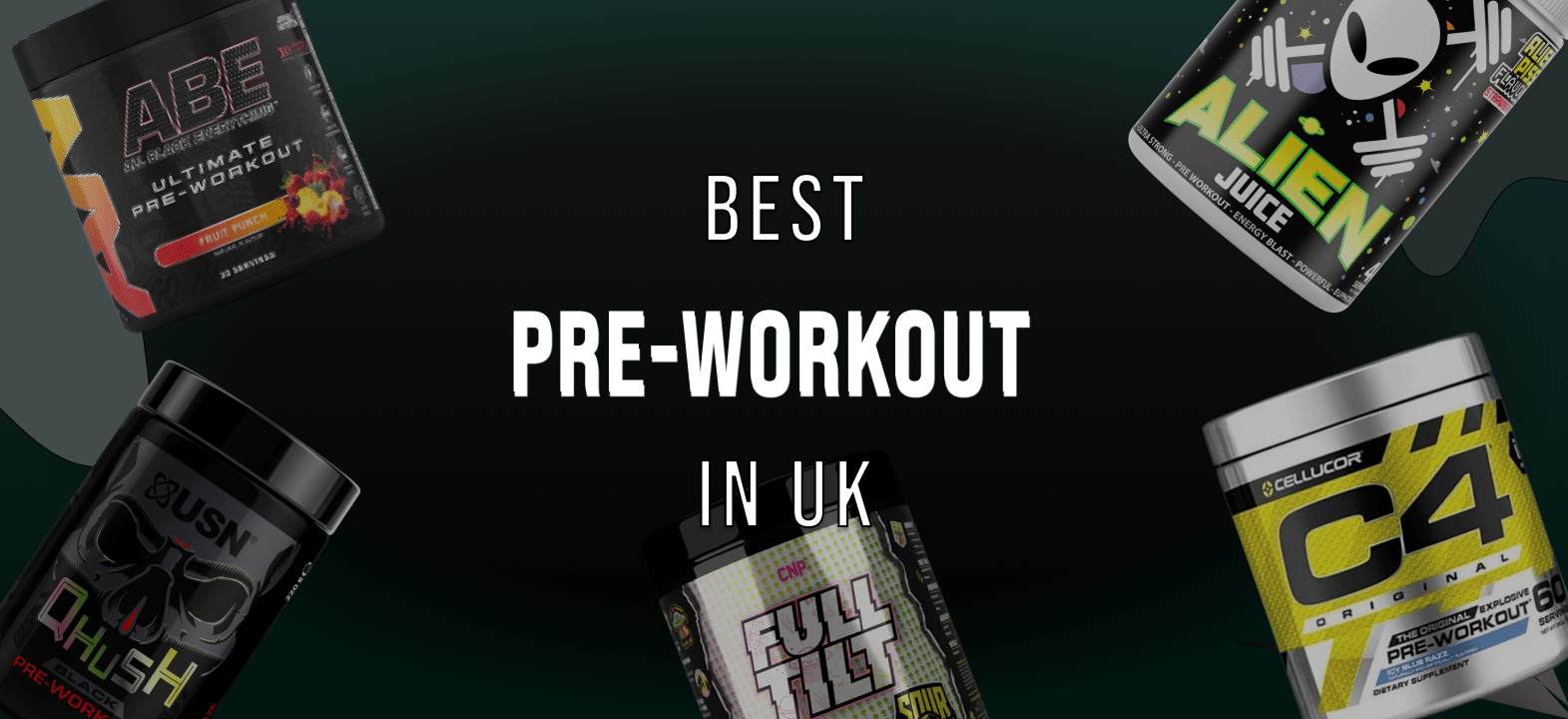
This is why products like PER4M Advanced Pre-Workout and ABE Pre-Workout are popular — they use transparent labels and established formulations when used correctly.
Final Safety Verdict
Pre-workout supplements are effective tools for improving gym performance — when used responsibly.
Most side effects are mild, temporary, and avoidable with proper dosing, hydration, and timing. The key is choosing the right formula for your tolerance level and training schedule.
For product-specific breakdowns, you can also read:
Pre-Workout FAQs
Is pre-workout safe to take every day?
Yes, for healthy adults, pre-workout supplements are generally safe when used as directed. Daily use is fine as long as you manage total caffeine intake and take occasional breaks if tolerance builds.
How much pre-workout should I take?
Always follow the label. Beginners should start with half a scoop to assess tolerance before using a full serving.
Is pre-workout bad for your heart?
Pre-workout is safe for most healthy adults, but people with heart conditions or high blood pressure should avoid high-stimulant formulas or speak to a medical professional first.
Why does pre-workout make me tingle?
The tingling sensation is caused by beta-alanine. It is harmless and a normal side effect of effective endurance dosing.
Can I take pre-workout without caffeine?
Yes. Non-stim pre-workouts focus on pumps, endurance, and performance without stimulants, making them ideal for evening training.
When is the best time to take pre-workout?
Most people take pre-workout 15–30 minutes before training. Avoid taking it late in the day if it contains caffeine.
Can I stack pre-workout with creatine?
Yes. Pre-workout and creatine can be safely used together and are commonly stacked for improved strength and performance.